
Blog
Best Sunscreen for Sri Lanka: SPF50+ PA++++ Picks

The best sunscreen for Sri Lanka is a broad-spectrum SPF50+ PA++++ formula with a lightweight, non greasy base. Heavy, occlusive creams feel unbearable in the heat and you’ll be less likely to reapply them, which cuts your real world protection whatever the SPF number says.
[Hero image. Alt text: Best sunscreen for Sri Lanka: lightweight SPF50+ PA++++ options on a shelf]
Why Sri Lanka’s Climate Changes the Sunscreen Equation
Sri Lanka sits close to the equator, so UV index readings often reach 11+ around midday (classified “extreme” by the WHO), with high readings year round rather than seasonally. Add humidity averaging 75-85%, and two things happen: sweat wears sunscreen off skin faster than in temperate climates, and thick formulas feel suffocating within an hour.
That’s why a sunscreen that scores well in a UK or US review doesn’t automatically work here. The formula matters as much as the SPF number.
SPF vs. PA: What You’re Actually Buying
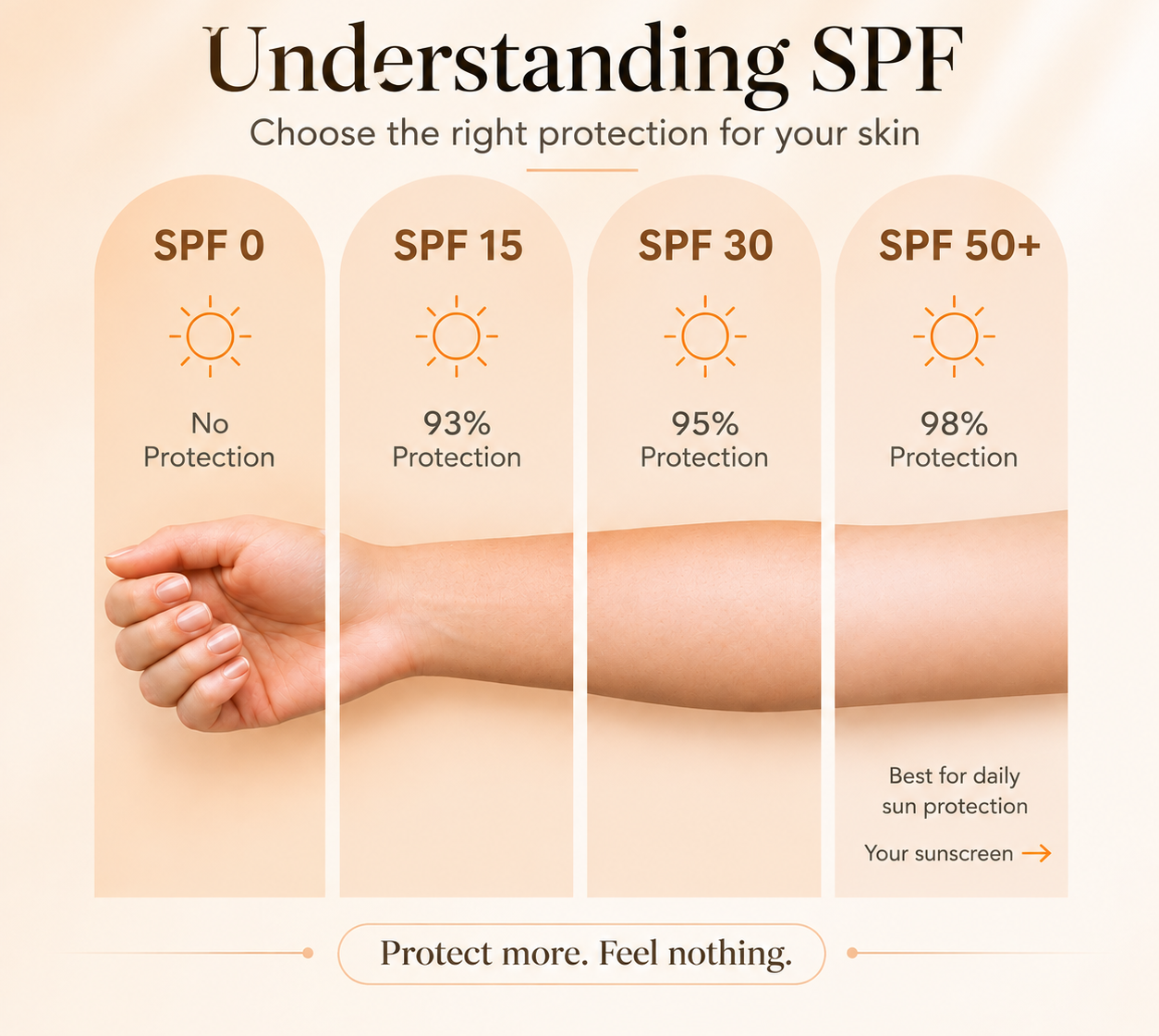
SPF (Sun Protection Factor) measures protection against UVB rays, which cause sunburn and are a major driver of skin cancer risk. SPF50 filters roughly 98% of UVB.
PA (PA+ to PA++++) measures protection against UVA rays, which cause premature aging, pigmentation, and deeper skin damage. This rating barely appears on non Asian sunscreen labels, which is why most Western SPF guides skip it entirely.
For Sri Lanka’s UV levels, look for SPF50+ with a PA rating of at least PA+++. PA++++ is ideal. SPF30 still works, but SPF50+ gives you a buffer, because most people apply less sunscreen than the amount used in lab testing.
How to Choose the Best Sunscreen for Sri Lanka
Use this simple checklist when comparing products:
- SPF50+ and PA+++ or higher. PA++++ is the ideal for Sri Lanka’s UV index.
- A light finish. Gel, fluid, and serum textures usually feel better than thick creams in humidity.
- Water- or sweat-resistant. Check the label. Some richer formulas hold up better than light ones, so texture alone isn’t the whole story.
- No white cast. People skip sunscreen that leaves residue, and the sunscreen you skip protects you least.
- Easy to reapply. A formula that layers well over makeup gets reapplied. One that doesn’t, won’t.
Best Sunscreens for Sri Lanka: Top Picks
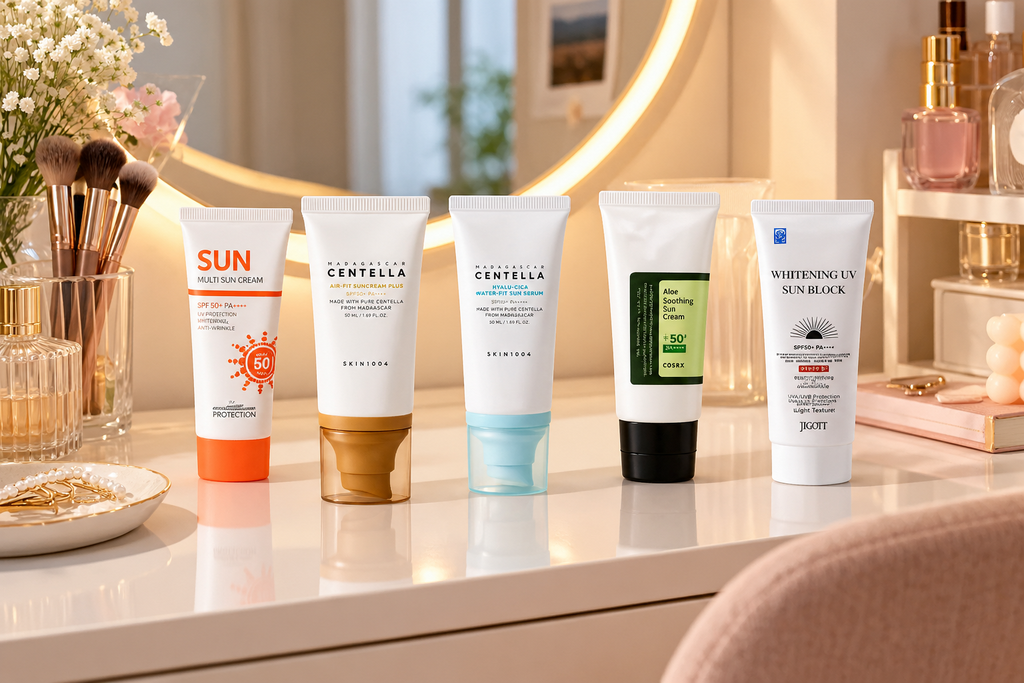
Here’s how our top picks compare. Check each product page for the exact rating on the current packaging.
COSRX Aloe Soothing Sun Cream is a reliable starting point. It’s aloe-based, has no white cast, and feels light on humid afternoons. It’s rated PA+++, so it suits commuting and everyday days. For long hours outdoors, choose one of the PA++++ options below.
SKIN1004 Madagascar Centella pairs sun protection with barrier calming centella. It’s a good choice if heat and sweat trigger redness on your skin.
Anua builds its sun care around gentle, fragrance conscious formulas, which suits you if you’re layering sunscreen over actives.
Browse the full range in Glowe.lk’s sunscreen category.
Applying Sunscreen Correctly
Technique matters as much as the product:
- Amount: about a two finger length for the face and neck. Most people use less than half the tested amount, which quietly cuts effective SPF.
- Timing: apply 15-20 minutes before sun exposure.
- Reapplication: every 2-3 hours outdoors, sooner if you’re sweating heavily. Dermatologists consistently stress that reapplying matters as much as the SPF you start with.
- Order: after moisturizer, before makeup. Sunscreen needs to sit close to the skin, not be buried under layers.
Sunscreen Myths That Don’t Hold Up in Sri Lanka
“Higher SPF means I can apply less.” False. SPF is tested at a generous amount (2 mg per cm²) and most people apply far less, so real world protection falls well below the number on the label. A higher SPF is a bigger safety margin, not a reason to skimp.
“Sunscreen isn’t needed on cloudy or rainy days.” UV rays penetrate cloud cover, and UV can stay high on overcast days, including during the monsoon.
“Chemical sunscreens are unsafe.” The American Academy of Dermatology considers approved chemical and mineral filters safe and effective when used as directed. The choice between them is about skin sensitivity and finish, not safety.
Who Needs Daily Sunscreen in Sri Lanka?
Anyone who spends regular time outdoors, whether commuting, working near windows, or exercising and not just on beach days. Daily incidental UV exposure adds up over the years, and it’s the exposure people underestimate most.
Sunscreen FAQ
- Can I skip sunscreen on rainy days?
No. UV penetrates cloud cover, so wear it daily. - Mineral or chemical sunscreen: which is better?
Neither is better for safety. Choose by skin sensitivity and finish. Mineral formulas can suit sensitive skin and chemical formulas usually feel lighter with less white cast. - How often should I reapply?
Every 2-3 hours outdoors, and sooner after heavy sweating or swimming.
For the best sunscreen for Sri Lanka, prioritize SPF50+, PA+++ or higher, a lightweight non greasy finish and a texture you’ll actually reapply. The best sunscreen isn’t the one with the highest SPF on paper. It’s the one you’ll wear consistently, because consistency is what prevents UV damage over time.ntly, because consistency is what actually prevents UV damage over time.


